
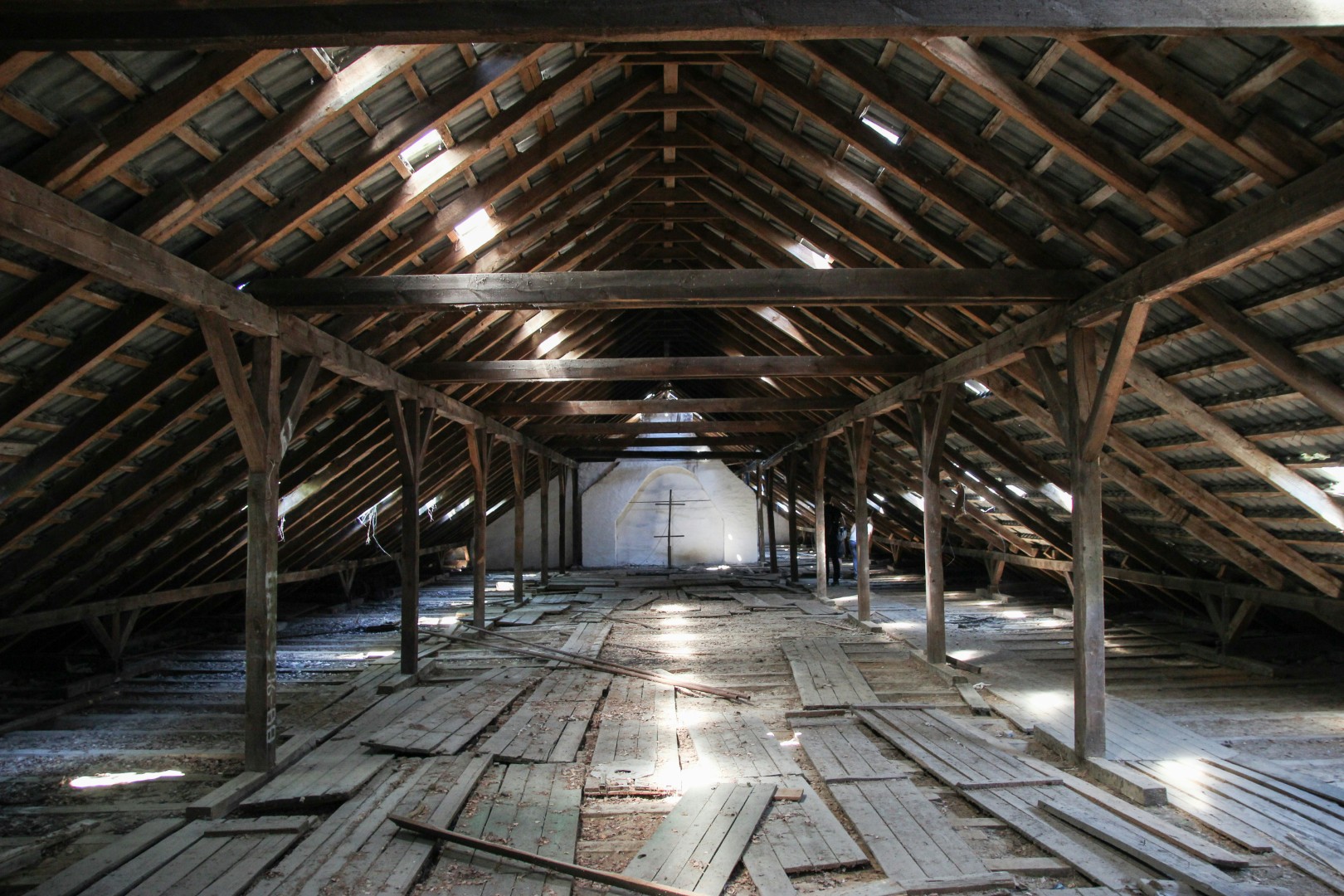
For many homeowners discovering mold in the attic is a frustrating ordeal. It often begins with the discovery of dark staining on the underside of the roof deck, followed by a DIY cleanup or a quick spray of supposedly mold-killing chemicals. However, a few months or a single season later, the fuzzy growth inevitably returns. This cycle happens because mold is not the primary problem, it is merely a symptom of underlying attic moisture problems. Unless the environmental conditions that allowed the mold to thrive are corrected, no amount of surface cleaning will provide a permanent solution.
The Role of Ventilation and Blocked Soffits
The most common reason attic mold keeps coming back is a breakdown in the home’s ventilation system. A healthy attic is designed to breathe through a balanced exchange of air. Cool air enters through the soffit vents at the eaves, travels upward along the roof deck, and exits through ridge or gable vents at the top. This constant airflow whisks away moisture and keeps the attic temperature close to the outdoor temperature. However, this process is frequently interrupted when homeowners or contractors accidentally block the soffit vents with thick layers of insulation. When these intake vents are obstructed, the air becomes stagnant, trapping humidity against the cold roof boards where it eventually condenses into water droplets.
The Danger of Misdirected Bathroom Fans
Another frequent culprit in recurring attic mold is the improper installation of bathroom exhaust fans. In many older homes (and even some poorly constructed newer ones) exhaust fans are vented directly into the attic space rather than through the roof or a side wall. This means that every time someone takes a hot shower, gallons of moisture-laden air are pumped directly into the enclosed environment of the attic. During the cold Illinois winters, this warm air hits the freezing underside of the roof deck, causing attic sweating. This localized moisture creates a concentrated breeding ground for mold that will continue to reappear every winter until the ventilation ductwork is properly routed to the building’s exterior.
Why Surface Cleaning Isn’t Enough
Many people make the mistake of thinking that killing the visible mold is the final step in attic mold remediation. While antimicrobial treatments are an essential part of the process, they cannot compensate for a lack of airflow or a structural moisture defect. If the attic remains humid and stagnant, new mold spores, which are naturally present in the air everywhere, will quickly land on the damp wood and begin the colonization process all over again. A truly effective remediation strategy must involve a comprehensive evaluation of the home’s envelope to identify where moisture is entering and where the ventilation is failing.
The Professional Path to a Permanent Fix
Stopping the cycle of recurring mold requires a professional eye that looks beyond the black spots on the wood. Professional remediators focus on correcting the root cause by ensuring soffit vents are clear, installing baffles to maintain airflow, and verifying that all mechanical exhausts are venting outside the home. Once the moisture source is eliminated, industrial-grade equipment like HEPA vacuums and specialized antimicrobials are used to remove the existing mold and its roots, ensuring the space is biologically clean. This dual approach which addresses both the biological growth and the mechanical failure is the only way to guarantee that the mold won’t return with the next change of the seasons.
Protect Your Home with Above Board
If you are tired of battling attic mold that refuses to stay away, it’s time to call in the experts. Above Board has spent over twenty years helping homeowners diagnose and solve complex attic moisture problems. Our certified professionals don’t just treat the symptoms. Instead, we provide long-term solutions that protect your roof’s integrity and your family’s health. Call today for a professional consultation and to stop attic mold for good.